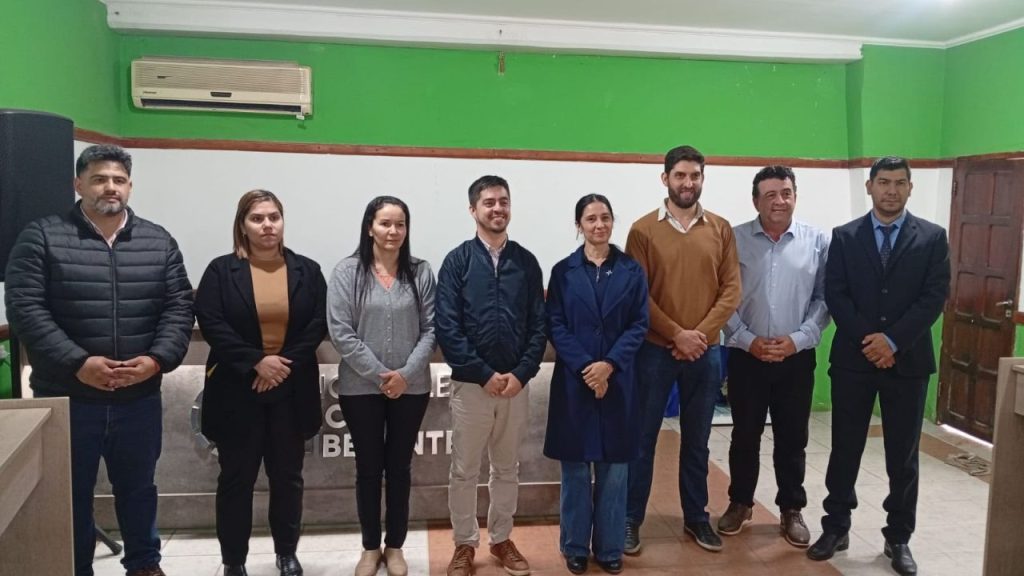
The Deliberative Council of Mburucuyá met again after 252 days of institutional paralysis. The presence of opposition councilors allowed the legal number to be reached and the body's functioning to be reactivated, after months of political tensions, public disputes, and judicial interventions that had prevented quorum from being formed.
During the session, the pro-government bloc imposed the discussion of an agenda composed of 12 items. The body formalized the incorporation of councilor Cristian Escalante, appointed Leandro Chamorro as head of the Secretariat, and resolved the first and second vice presidencies. It also formed the permanent committees necessary to resume ordinary legislative work.
The main decision was the approval of an Economic Emergency ordinance promoted by the municipal Executive. The local administration considers this tool necessary to address financial commitments pending from previous managements. The regulation was addressed once the formal ability to hold sessions was restored and constitutes the first institutional response after the prolonged blockage.
From December of 2025 until mid-August of 2026, the Council had only convened in minority with the three representatives of the governing alliance Mburucuyá Cambia. The attendance of the four councilors from Vamos Corrientes, a space locally linked to the former mayor Pablo Guastavino, allowed the quorum to be completed and the appointments to be unblocked.
The mayor Edgar Galarza Florentín valued the presence of the opposition and thanked the intervention of the provincial Government leadership. After the session, representatives of both benches made calls for dialogue and political coexistence. The municipal chief stated that a new stage begins and asked to prioritize the well-being of the inhabitants above party differences.
The resumption resolved the immediate deadlock, but by itself does not guarantee the continuity of legislative functioning. It will be necessary for the ruling party and the opposition to maintain attendance, integrate the committees, and process the pending files. It will also be necessary to observe how the Economic Emergency is applied and what controls the body will exercise over municipal obligations. The confirmed fact is that the Council regained a quorum, appointed authorities, and approved the emergency; institutional stability will depend on the upcoming sessions and the regular fulfillment of the legislative calendar.