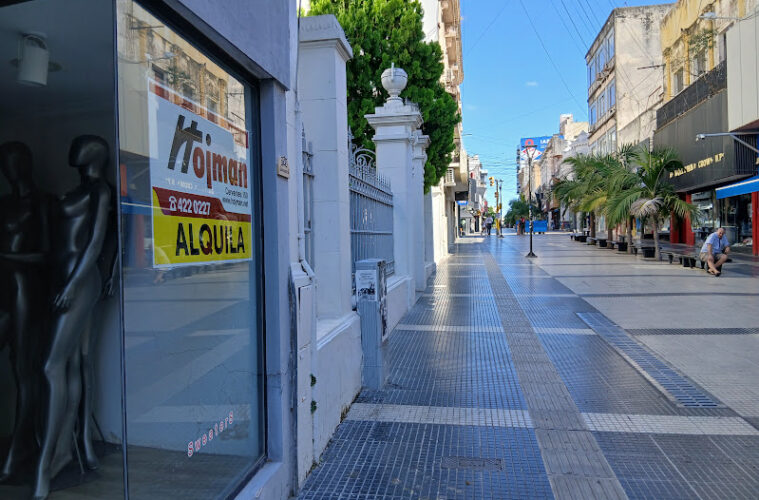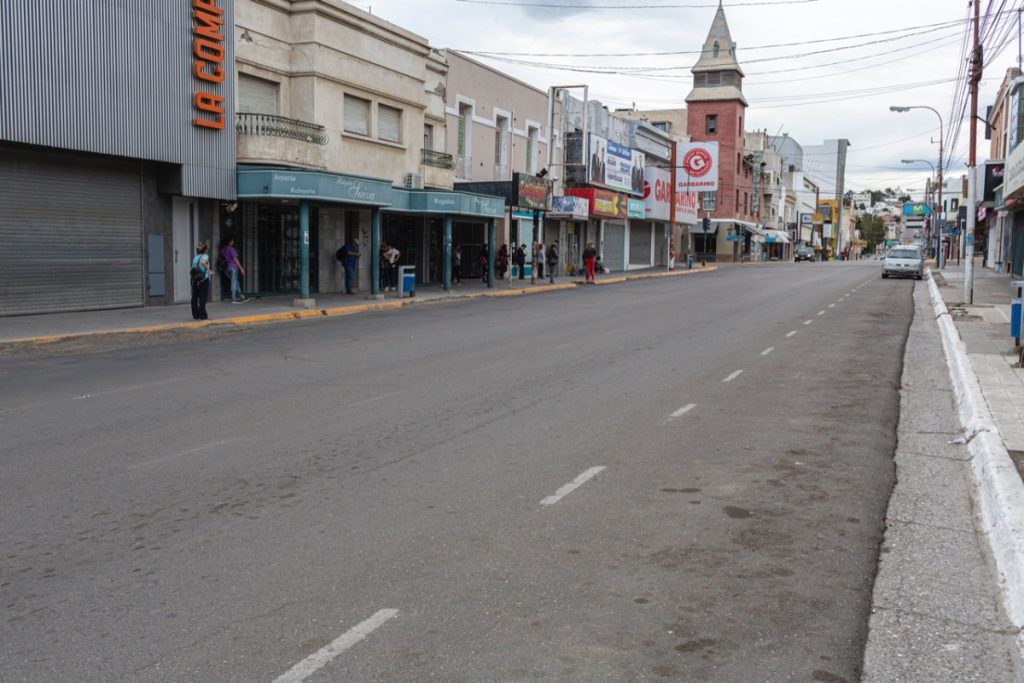
Comodoro Rivadavia recorded 373 closures of commercial premises between January and July of 2026. The data comes from a survey by the Observatorio de Economía of the Faculty of Economic Sciences of Universidad Nacional de la Patagonia San Juan Bosco, built with information from Dirección de Habilitaciones municipal and activity monitoring. The record measures administrative cessations and should not be automatically confused with judicial bankruptcies.
In the same period there were 123 new authorizations. However, more than seven out of ten corresponded to renewals or movements related to businesses that were already operating, not necessarily to new ventures. This difference prevents subtracting the closures from the openings as if both groups represented equivalent openings and closings. The formal turnover is lower than what a superficial reading of the register would suggest.
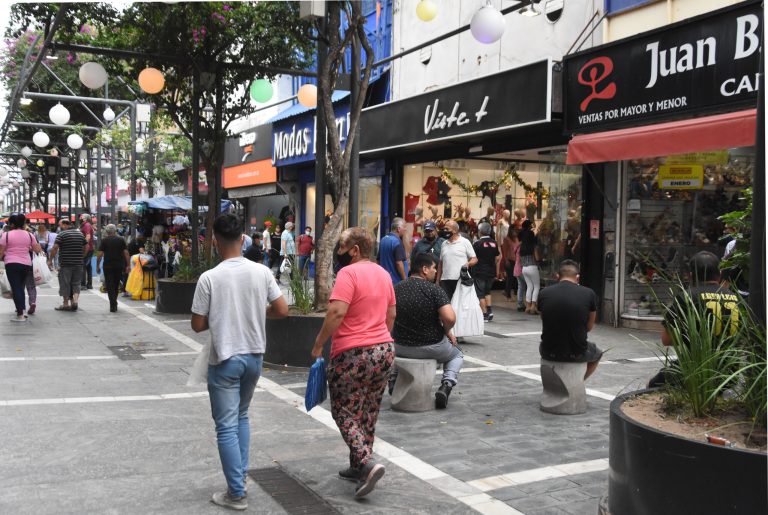
Sales add another dimension to the crisis. During the first half of the year, the contraction ranged between 15% and 29%, depending on the period and the segment considered. The study indicated that the drop in local consumption reached double the national average. Rents, wages, services, taxes, replacement, and working capital continued to put pressure on businesses that receive fewer customers and have lower revenues.
90% of the merchants consulted reported a high or very high decrease in their turnover. About three out of ten were not sure they could keep their establishment open until the end of 2026. These responses describe expectations and future risk; they should not be added to the 373 already recorded as if they were additional completed closures.
The composition of closures also requires precision. 64% corresponded to voluntary closures decided by owners who did not achieve sufficient profitability. The remaining 36% was linked to administrative shutdowns. Both categories involve a cancellation of the commercial registry, but they respond to different mechanisms: an economic decision to abandon the activity and an intervention by the authority on the establishment.
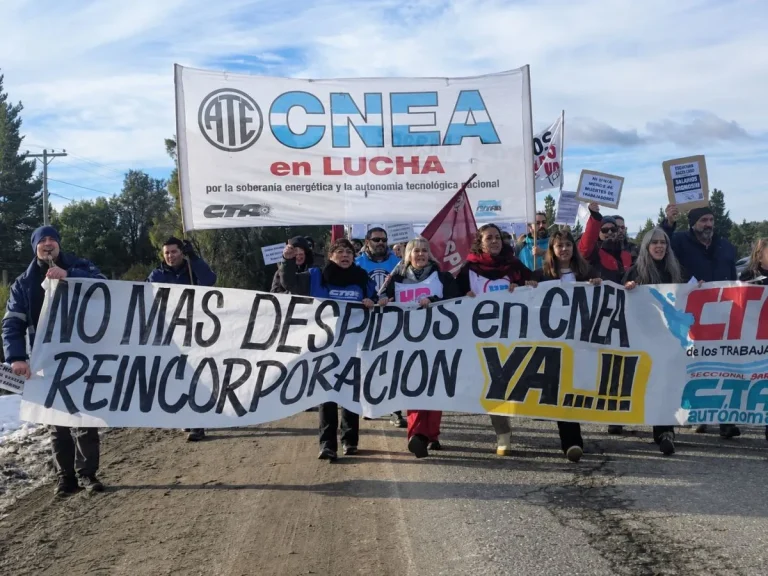
The report linked the deterioration to the national crisis and to problems inherent to a city dependent on hydrocarbons: decline in oil activity, departure of service companies to Vaca Muerta, and job losses. The next report should show how many businesses managed to sustain themselves until December and how many permits represented actual openings. For now, the combination of 373 closures, declining sales, and uncertainty confirms a deep commercial contraction.