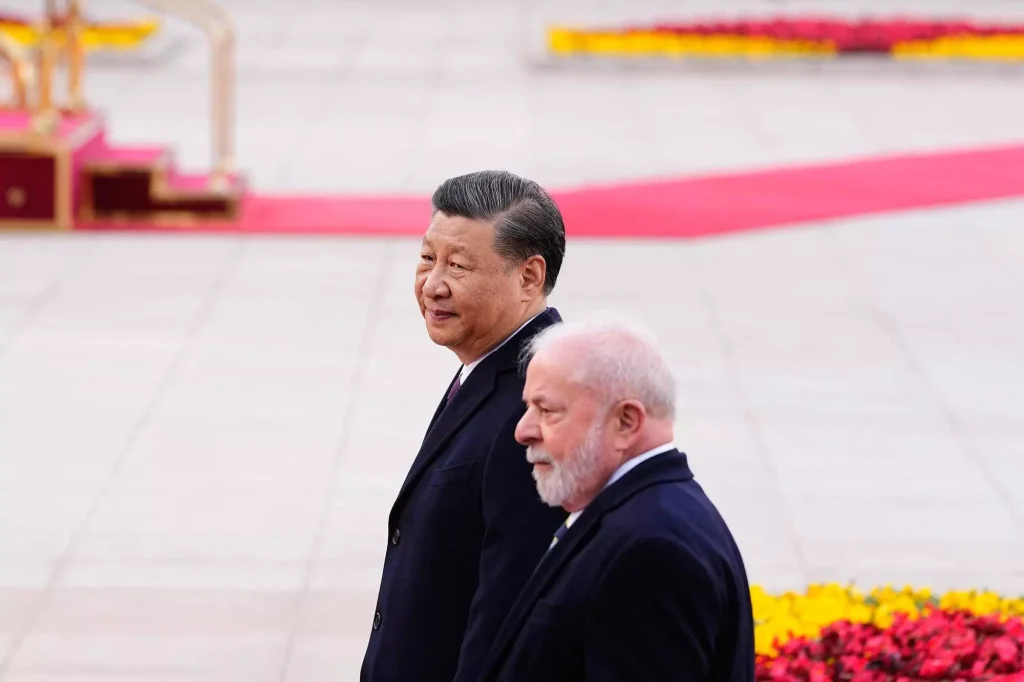
Xi Jinping gave Luiz Inácio Lula da Silva explicit backing as relations between Brazil and Argentina entered a new escalation. During a telephone conversation, the Chinese president said his country supports Brazil in defending its sovereignty and rejects “external interference.” The message placed Beijing alongside Brasília at a time when the Brazilian government was also facing pressure from the United States and had just responded diplomatically to statements made by Javier Milei.
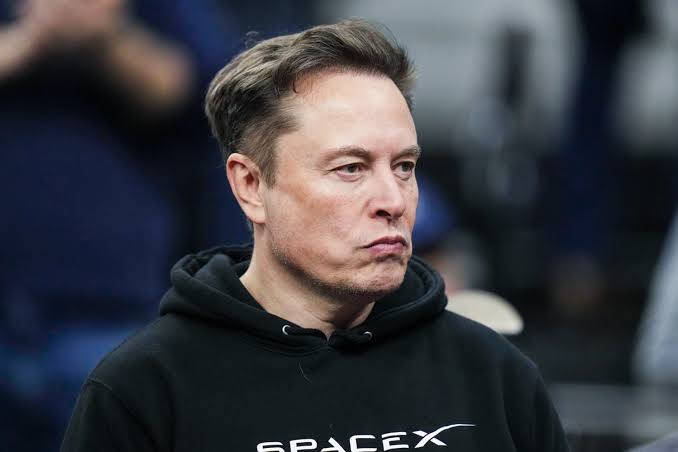
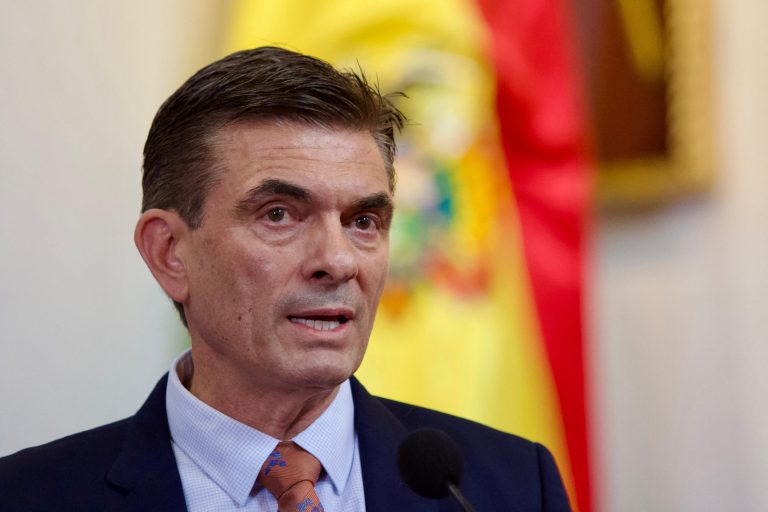
The call came after Milei traveled to São Paulo to support Senator Flávio Bolsonaro's presidential candidacy. At that event, the Argentine president made disparaging remarks about Lula and members of Brazilian institutions. Brazil regarded those comments as a direct affront: it recalled its ambassador in Buenos Aires, Julio Bitelli, for consultations and sought to formally convey its rejection to Argentina's representative, Daniel Raimondi.
China's intervention was projected onto that immediate dispute. Xi argued that Brazil must be able to settle its domestic affairs without interference and emphasized the importance Beijing attaches to the South American country's international weight. He also supported a more active Brazilian role in regional and global peace and stability. The statement therefore went beyond courtesy between presidents and recognized Brazil as a political interlocutor with global reach.
Xi framed the relationship within the role China and Brazil seek to play in the so-called Global South. He said the two nations should stand on the “right side of history,” contribute to progress and assume a constructive role in reforming global governance and defending international justice. Lula agreed on the need to preserve multilateralism and respect among states.
The conversation also introduced a trade dimension that directly concerns Mercosur. Lula said the two governments support moving negotiations forward toward a possible agreement between China and the bloc formed by Argentina, Brazil, Paraguay and Uruguay. He explained that any understanding should include the necessary flexibilities and reaffirmed Brazil's decision to diversify its markets and trading partners.
That opening is connected to a broader bilateral agenda. The presidents confirmed their aim of expanding cooperation in artificial intelligence, satellites, critical-mineral processing and the fertilizer trade. These sectors combine innovation, strategic resources and productive supplies, showing that the China-Brazil relationship intends to move beyond the traditional exchange of raw materials and manufactured goods.
The concept of “external interference” was also linked to Brazil's dispute with the United States. The call took place after Donald Trump's administration announced 25% tariffs on certain Brazilian products. Brazil rejected the legitimacy of that trade pressure, while Lula presented market diversification and closer ties with China as part of his response to a more restrictive international environment.
Xi's backing does not resolve the crisis between Brasília and Buenos Aires, but it changes the context in which it will have to be managed. Brazil still has to address the diplomatic consequences of Milei's remarks while advancing talks with China that involve Mercosur and strategic sectors. The next moves will concern, on one side, the handling of the bilateral conflict and, on the other, how far the trade and technology negotiations announced by Lula and Xi can progress.