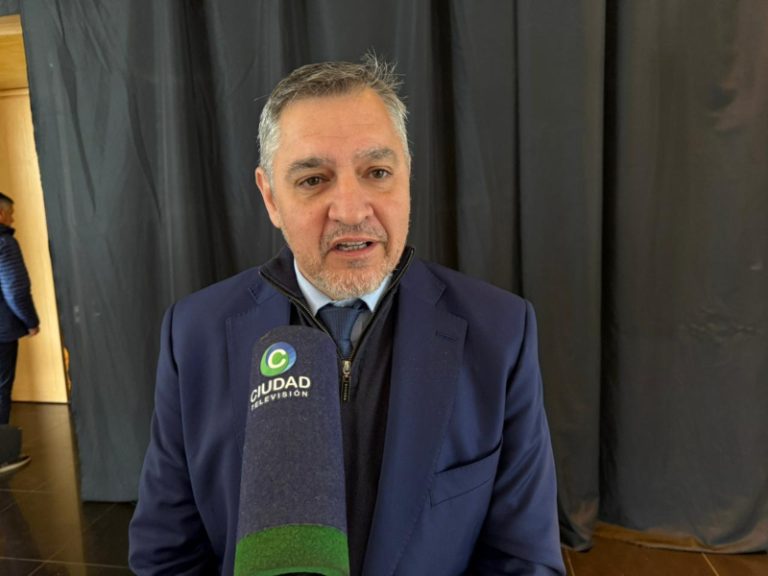
The Chaco government confirmed two tools to support small and medium-sized producers during the 2026/2027 agricultural season. It will maintain multi-risk insurance for sunflower crops and expand the Más Campo credit program for beneficiaries who keep up with their installments. Production and Sustainable Economic Development Minister Oscar Dudik made the announcement after Governor Leandro Zdero chaired a meeting with the production cabinet.
Coverage will be available to farmers registered in Chaco's Agricultural Producer Information System who plant up to 400 hectares of sunflower. The province will absorb 100 percent of the premium corresponding to the first 200 hectares, as it did in the previous season. That decision eliminates the cost of purchasing protection against climate-related contingencies for that portion of the land.
The hectares between 200 and 400 will receive different treatment. The executive branch is working with insurance companies and the Provincial Tax Administration on a mechanism that would postpone payment of the premium until the harvest is sold. The tax agency would retain the amount when the sale takes place, provided the producer voluntarily chooses to join the system.
The second measure covers farmers who have already received Más Campo financing and remain current on their payments. They may request an expansion of up to 50 percent of the amount originally granted. The new loan will require only a signature and will not demand changes to the collateral submitted in the previous transaction, two conditions intended to simplify access to additional funds.
Administrative expenses do not disappear under that simplified procedure. Signature certifications and other implementation costs will remain the producer's responsibility, although they will be added to the total loan amount and paid with the installments. The expansion therefore combines continuity of the existing guarantees with financing for initial expenses, instead of requiring a separate payment when the transaction is arranged.
The two tools address different needs in the same agricultural season: covering sunflower climate risk and providing capital to sustain farming activity. Full implementation still requires completion of the mechanism between insurers and the tax agency for the additional hectares. Access will depend on specific conditions: SIPACH registration and the surface limit for insurance, current Más Campo installments for expanded credit, and voluntary enrollment for those who choose to defer the premium until the crop is sold.